A Simple Pumpkin Soup

How is it Halloween already?! This year seems to be slipping away so quickly–pretty soon we’ll be in the midsts of the holiday season yikes. Lately, I’ve been messing around with some beautiful little sugar pumpkins that we picked up at the farmers market. Pumpkins are usually synonymous with pumpkin pies, pumpkin scones, or pumpkin lattes. But I actually love the flavor of pumpkin in savory dishes as well–such as curries, soups, and even quesadillas. If you’re a little hesitant about savory pumpkin dishes, a simple pumpkin soup is a great place to start.

In my opinion, soups are the dark horse of the dinner table, often overlooked and relegated to appetizer status. Sadly, many people associate soup with the watered-down canned stuff that is available in every super market across America. But a good homemade soup can actually elevate  a meal to the next level, or even shine as a delicious main course.

After lots of trial and error, I whole-heartedly believe that the three most important elements of a good soup are: fresh, seasonal vegetables, a blender or hand-held immersion blender, and high-quality stock. That’s it. No fancy spices or expensive cookware. By high-quality stock, I don’t mean super expensive. Just something that you would be happy to drink on its own if you had to. Of course homemade stock is always preferable, but store bought is just fine. (P.S. if you end up making your own veggie stock, try dropping in a few dehydrated mushrooms into the mix. It makes a world of difference).

When it comes to soup, I usually don’t fuss around with roux or other thickening agents. Instead, I prefer the vegetables themselves to do the thickening with the help of the blender. This method works well for most vegetable soups such as potato leek, butternut squash, and curried carrot.

Right now is actually a great time to experiment with pumpkin recipes because all the pumpkins will go on sale right after Halloween. When it comes to baking and cooking, sugar pumpkins are what you want to buy. Don’t get me wrong–I love those giant jack-o-lantern pumpkins, but they are far too fibrous and bland for many recipes. I recommend purchasing an organic sugar pumpkin between two to three pounds for the best flavor.

This recipe for pumpkin soup is a good starting place for lots of experimentation. For a curried pumpkin soup, omit the bay leaf, replace the cream with coconut milk, and add curry powder to taste. Or, try cooking down a peeled and diced tart apple with the onions to add another layer of flavor. There aren’t many rules here.

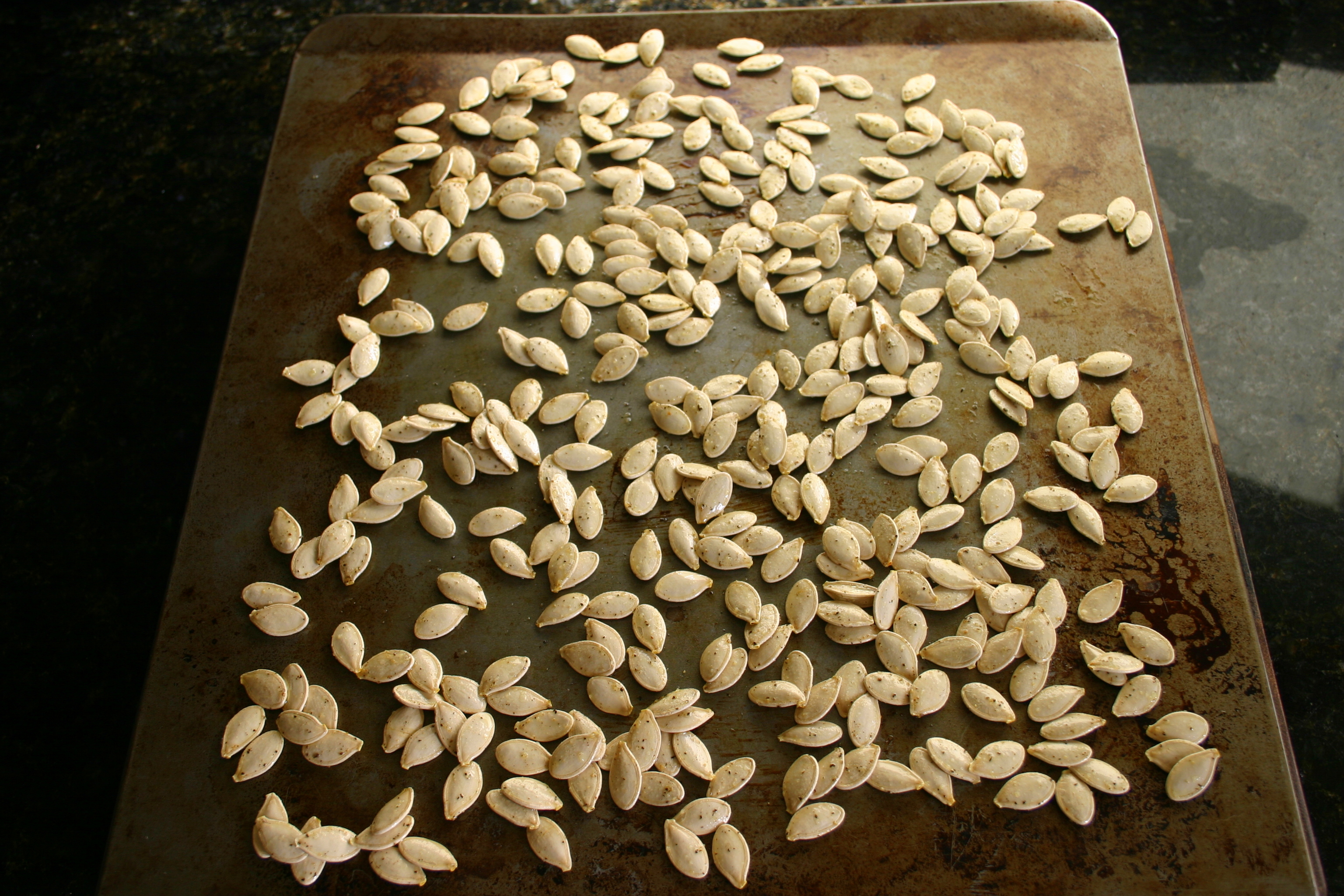
Finally, don’t waste the pumpkin seeds! This goes for the big jack-o-lantern pumpkins too. There are a lot of ways to roast up the seeds, but my favorite recipe so far is from Michael Chiarello. I am usually not a big fan of eating the pumpkin seed shell, but this recipe actually gives the shells a popcorn-like flavor. The most important step of this recipe is allowing the seeds to dry before seasoning and toasting. Ideally, you should let them sit out to air dry for at least 12 hours. However, I took the short cut and used a hairdryer–an unconventional but rather successful method!  Be sure to put the hair dryer on a low setting so you don’t blast the seeds and end up with a huge mess. 
Simple Pumpkin Soup
Yield: 4 servings

  • 3 cups fresh, roasted pumpkin (2-3 pound sugar pumpkin)
  • 3-4 cups high-quality vegetable or chicken stock (use low sodium if you are sensitive to salt)
  • 1 small onion, diced
  • 2 tablespoons butter
  • 2 tablespoons olive oil
  • 1 bay leaf
  • 1/4 cup heavy cream, plus more for garnish
  • freshly ground pepper
  • kosher salt
  • Freshly grated nutmeg for garnish
  • Pinch of cayenne pepper
  1. Preheat oven to 400° F. Wash pumpkin and cut off the stem. Cut pumpkin in half and scoop out the seeds and pulp. Lay the pumpkin halves flesh-side down on a baking sheet lined with foil or parchment. Cook for about 45 minutes in a 400° F oven until the pumpkin is tender. Once the pumpkin is cool enough to touch, scoop out the flesh and set aside.
  2. In a heavy-bottomed pot, add the butter, olive oil, bay leaf, and onions over medium heat. Add a pinch of salt and cook the onions, stirring occasionally, until they begin to turn slightly golden, about 5-7 minutes.
  3. Stir in the roasted pumpkin, breaking up any large pieces with a wooden spoon. Add 3 cups of broth and bring the mixture to a boil. Turn the heat down and simmer for about 5 minutes. Turn the heat off and add salt and pepper to taste. Fish out the bay leaf and discard.
  4. Use a blender or handheld immersion blender to blend soup until smooth. If using a traditional blender, carefully blend the soup in increments. The hot soup will expand, so only fill the blender about 1/3 of the way. Pour the soup back in the pot. If the soup looks too thick, add some of the remaining stock until you reach your desired consistency.
  5. Mix in the heavy cream. Sprinkle in the cayenne pepper if desired. Divide into bowls and garnish with additional heavy cream and freshly grated nutmeg.

Toasted Salt & Pepper Pumpkin Seeds
Adapted from Michael Chiarello

  • 1 cup pumpkin seeds, cleaned and thoroughly dried
  • 1/4 teaspoon ground pepper
  • 1/4 teaspoon of kosher salt
  • 1 tablespoon olive oil
  1. Put the pumpkin seeds in a large bowl and fill with water. The pulp should sink to the bottom and the seeds should float to the top. Place the clean seeds on a dishtowel and pat dry as best you can. Lay the seeds out on a single layer and let them air dry for at least 12 hours.
  2. Toss the dry pumpkin seeds in the olive oil, salt, and pepper. Add more salt or pepper to taste if desired. Spread seeds in a single layer on a baking sheet and bake for about 8-12 minutes at 375°. Seeds should be light brown and crispy.

Mushroom Marsala Pasta

There are some nights when you come home so exhausted that making dinner might just push you over the edge. The problem is, you really want a comforting home-cooked meal to help take the edge off of a stressful day. Conundrum!

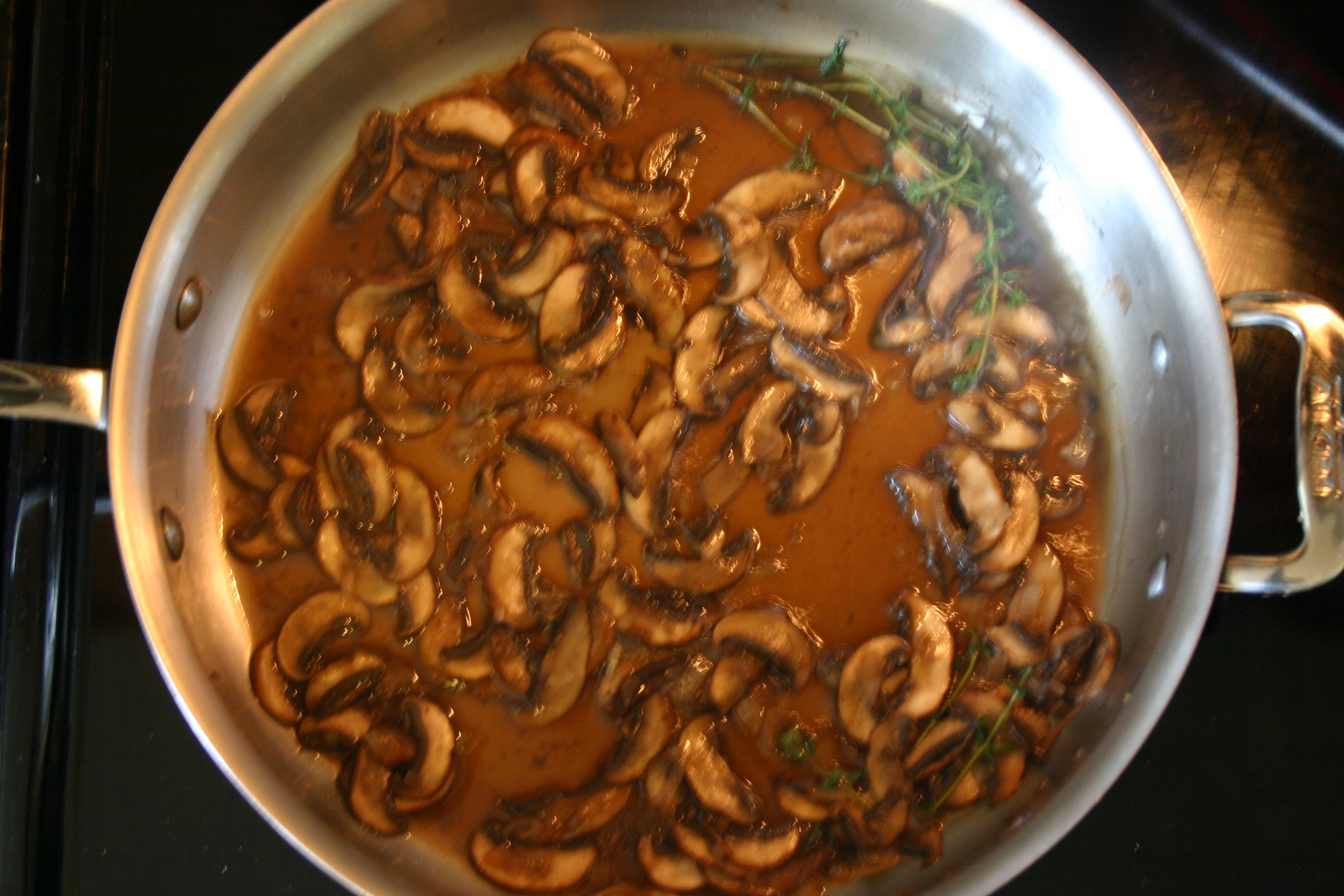
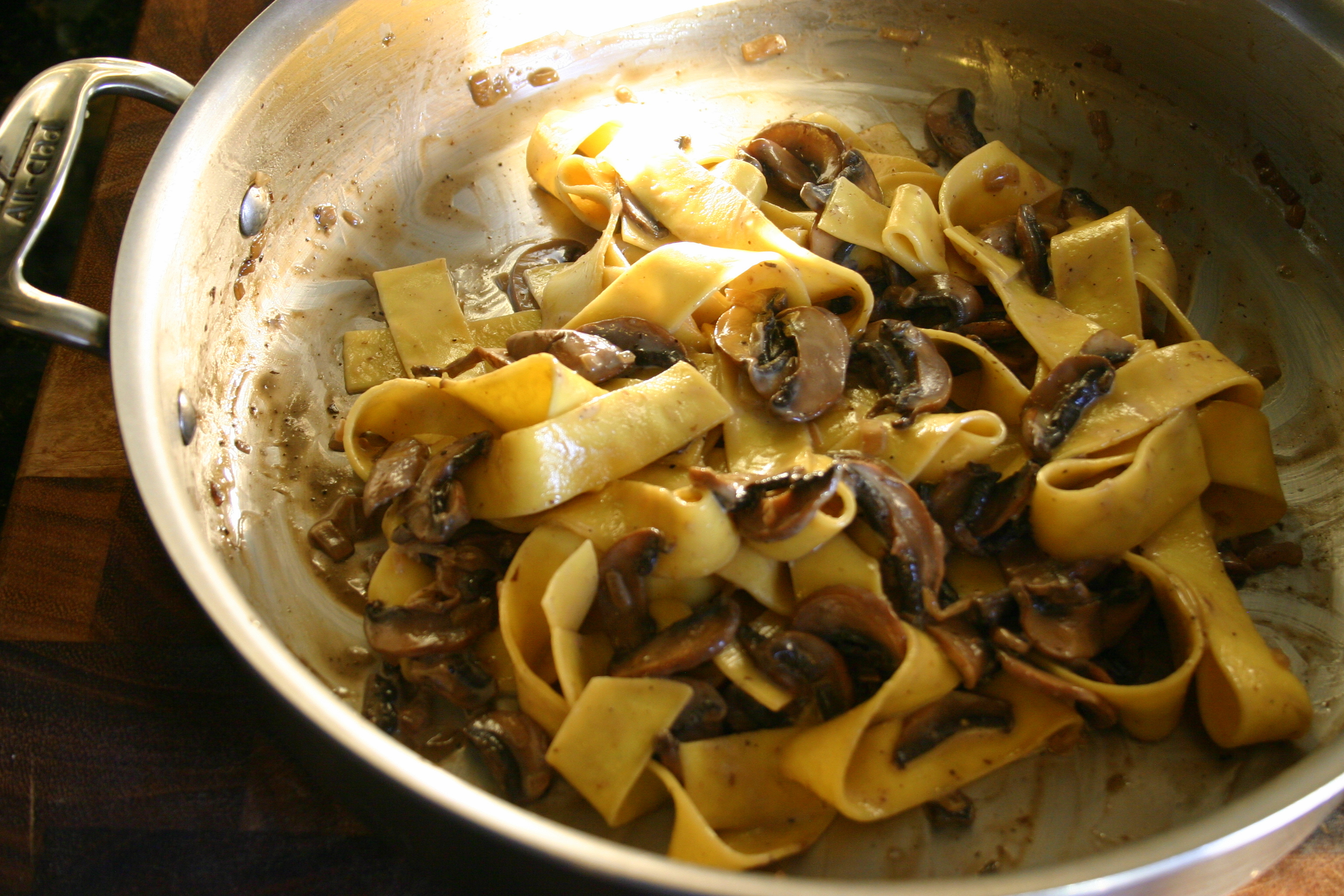
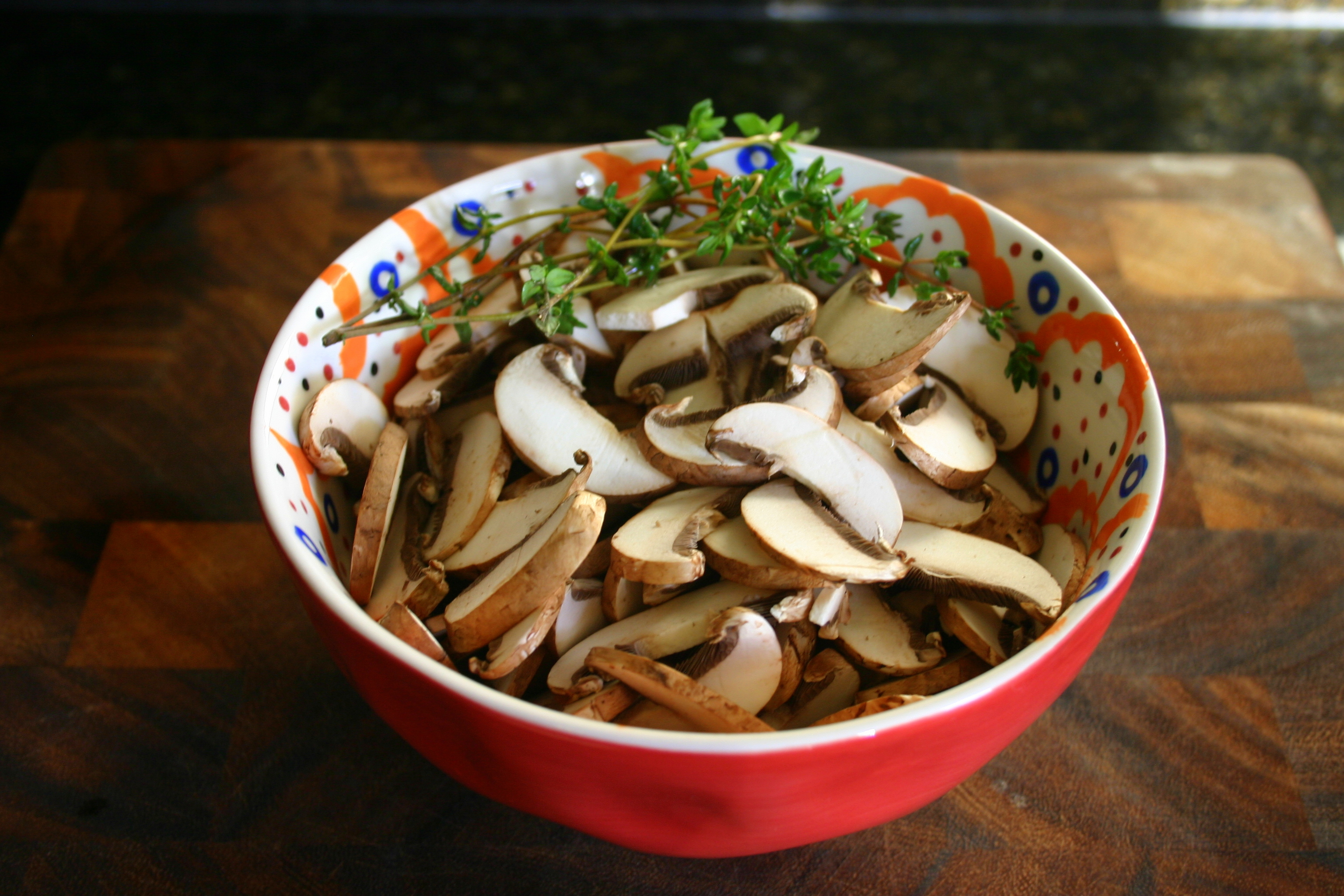
I can’t tell you how many times I’ve been there. As a result, I’ve developed a rather impressive repertoire of quick pasta dishes that can be whipped up in under 30 minutes. There is something about pasta in a homemade sauce that can chip away at any foul mood. One of my new favorites is mushroom marsala pasta. This light and slightly creamy sauce is complemented by hearty cremini mushrooms and a hint of thyme. It’s the perfect quick meal for a night when your patience is running low.

Weeknights are not the time to bust out the pasta machine. As much as I love making fresh pasta, this is just not an option on most nights. Luckily, Trader Joe’s just started carrying a delicious egg pappardelle. Seriously, this pasta almost rivals the fancy imported stuff from my local Italian specialty store–for a fraction of the price. It’s just the noodle to take this mushroom marsala to the next level. Trader Joe’s also sells a very affordable Marsala for around six dollars. Be sure to purchase the dry version, not the sweet. Thank you, TJs!

Finally, I like to use shallots in place of onions in this recipe because they give the sauce a more delicate flavor that doesn’t overpower the mushrooms. This dish is great when you are in a time crunch, but it also looks impressive enough for casual entertaining. I only had half a pound of mushrooms in the fridge, so the pictures reflect a half batch of pasta.

Mushroom Marsala Pasta
Loosely adapted from Giada DeLaurentiis
Yield: 3-4 servings
*Recipe updated on 1/13/12

  • 3 tablespoons olive oil
  • 2 small shallots, finely chopped
  • 1 pound cremini mushrooms, de-stemed, gently cleaned with a damp paper towel, and sliced
  • 1 teaspoon kosher salt, plus more for seasoning pasta water
  • Freshly ground black pepper
  • 1 cup dry Marsala wine
  • 3/4 pound pasta (pappardelle works well)
  • 1/2 cup freshly grated Parmesan, plus more for sprinkling on top
  • 1/2 cup heavy cream
  • 4 sprigs of fresh thyme (optional)
  • Squeeze of lemon to finish (optional)
  1. Place the olive oil in a large, heavy skillet over medium heat. Add the shallots and cook for 1-2 minutes, stirring constantly to prevent them from burning. Add the mushrooms and 1 teaspoon of the salt. Saute, stirring occasionally, until all the moisture has evaporated and the mushrooms have cooked down, about 5-8 minutes.
  2. Turn heat up to medium-high and add the thyme sprigs to the skillet if using. Add the Marsala and continue cooking until almost all the wine has evaporated, about 5 minutes. Once the Marsala mixture has cooked down, pull out the thyme sprigs and set aside.
  3. Meanwhile, bring a large pot of lightly salted water to a boil over high heat. Add the pasta and cook until al dente. Drain the pasta and add to the skillet with the marsala mixture. Add the parmesan cheese and heavy cream and mix until incorporated and heated through. Season the pasta with freshly ground pepper and salt to taste.
  4. Distribute pasta into dishes and garnish with additional parmesan cheese and the thyme sprigs. Before serving, I like to brighten up olive oil- or cream-based pasta dishes with a squeeze of fresh lemon, but this is completely optional.

Pumpkin Pie Spice + Pumpkin Spice Latte


The other day, as we passed by an unnecessarily large pumpkin spice latte sign in front of Tully’s, Jeff asked me why pumpkin spice products were not available all year round. It’s not like pumpkin spice syrup is seasonal. And most “pumpkin” products aren’t even made from real pumpkins in the first place! Is it all just one big illusion? Oh, I love when he gets all philosophical.

It’s true. Pumpkin spice products are a marketing ploy. But a beloved one at that. Pumpkin spice season comes and goes with comforting certainty every year. Rather than lamenting about the impending gloom of winter yet to come, we are distracted by the cheery prospects of pumpkin spice lattes, scones, breads, ice cream, smoothies, cakes, and more. Now where’s the harm in that!

I defend pumpkin spice products because I am an avid consumer of them. But they really start to add up after a while, $3 here and $4 there. I realized that once you have a basic pumpkin pie spice blend, it’s really easy to make your own version of pumpkin spice products, including the ever popular latte.

Pumpkin spice blends usually include a mixture of ground cinnamon, ginger, nutmeg, and cloves OR allspice. The recipe I’ve included below will be enough to last you through the season, or beyond if you wish! If you want a pumpkin spice latte in June, more power to you. You can either purchase pre-ground spices or grind them yourself, depending on the level of effort you want to put into it.

I first saw the recipe for the pumpkin spice latte from a delightful blog called Daily Nibbles. Since the recipe uses real pumpkin (either canned or fresh), the latte tastes very vibrant and fresh. I used a stovetop percolator (such as a Bialetti) for the espresso shots, but you can also use strongly brewed coffee instead. The original recipe called for vanilla extract, but I think it gives the latte a bitter aftertaste because the alcohol doesn’t get cooked off. If you still want that vanilla flavor, I recommend scraping some vanilla beans into the milk while it is heating, using vanilla soy milk, or replacing the normal sugar in the recipe with vanilla sugar.

Finally, I am a huge advocate for using soy milk in lattes, but I know this isn’t everyone’s thing. I’ll just say that vanilla soy tastes fabulous in a pumpkin spice latte. If you decide to use a flavored soy milk, just remember to cut down on the sugar you add. Enjoy!

Pumpkin Pie Spice Blend
Yield: 25 servings

  • 1/4 cup ground cinnamon
  • 1 tablespoon ground nutmeg
  • 1 tablespoon ground ginger
  • 1-1/2 teaspoons ground cloves
  1. Mix all of the spices together and keep in an airtight container. Use as needed.

Pumpkin Spice Latte
Yield: 1 latte
Adapted from The Kitchn via Daily Nibbles

  • 1 cup milk
  • 1 tablespoon pumpkin (canned or fresh)
  • 2 teaspoons sugar
  • 1/4 teaspoon pumpkin pie spice (recipe above) or store-bought mix*
  • 1/4 cup of espresso or 1/2 cup strongly brewed coffee if you don’t have an espresso machine or percolator
  1. In a saucepan combine milk, pumpkin and sugar and cook on medium heat, stirring, until you see steam rising from the milk.
  2.  Remove from heat, stir in pumpkin pie spice, transfer to a blender and pulse for 15 seconds until foamy. Alternately, you can use a handheld frother if you have one.
  3. Pour milk mixture into a large mug and top with the espresso. Top with whipped cream or extra spices if you wish.

*If you don’t want to make a big batch of pumpkin pie spice, this will make about 1 teaspoon: 1/2 teaspoon ground cinnamon, 1/4 teaspoon ground ginger, 1/4 teaspoon ground nutmeg, and 1/8 teaspoon ground cloves.

Swiss Chard Pie

It’s definitely feeling like fall in Seattle. The leaves are changing color and I’ve already had multiple opportunities to break out my lime green Hunter rain boots. I love these fall days. But mostly, I’m excited for the food. I can’t wait for butternut squash galettes, broccoli rabe pizza, kale pesto, and one of my ultimate cold weather favorite, swiss chard pie.

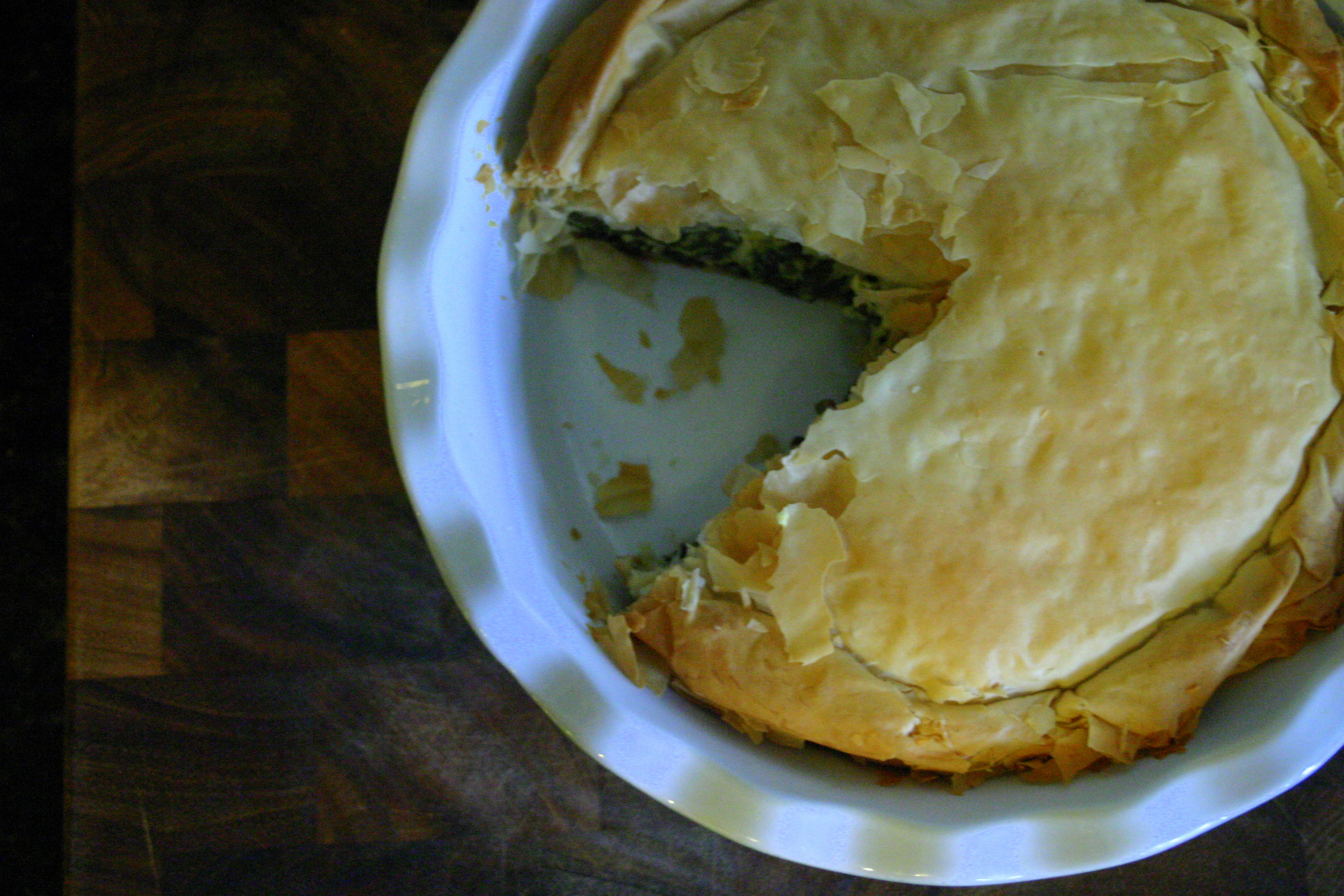
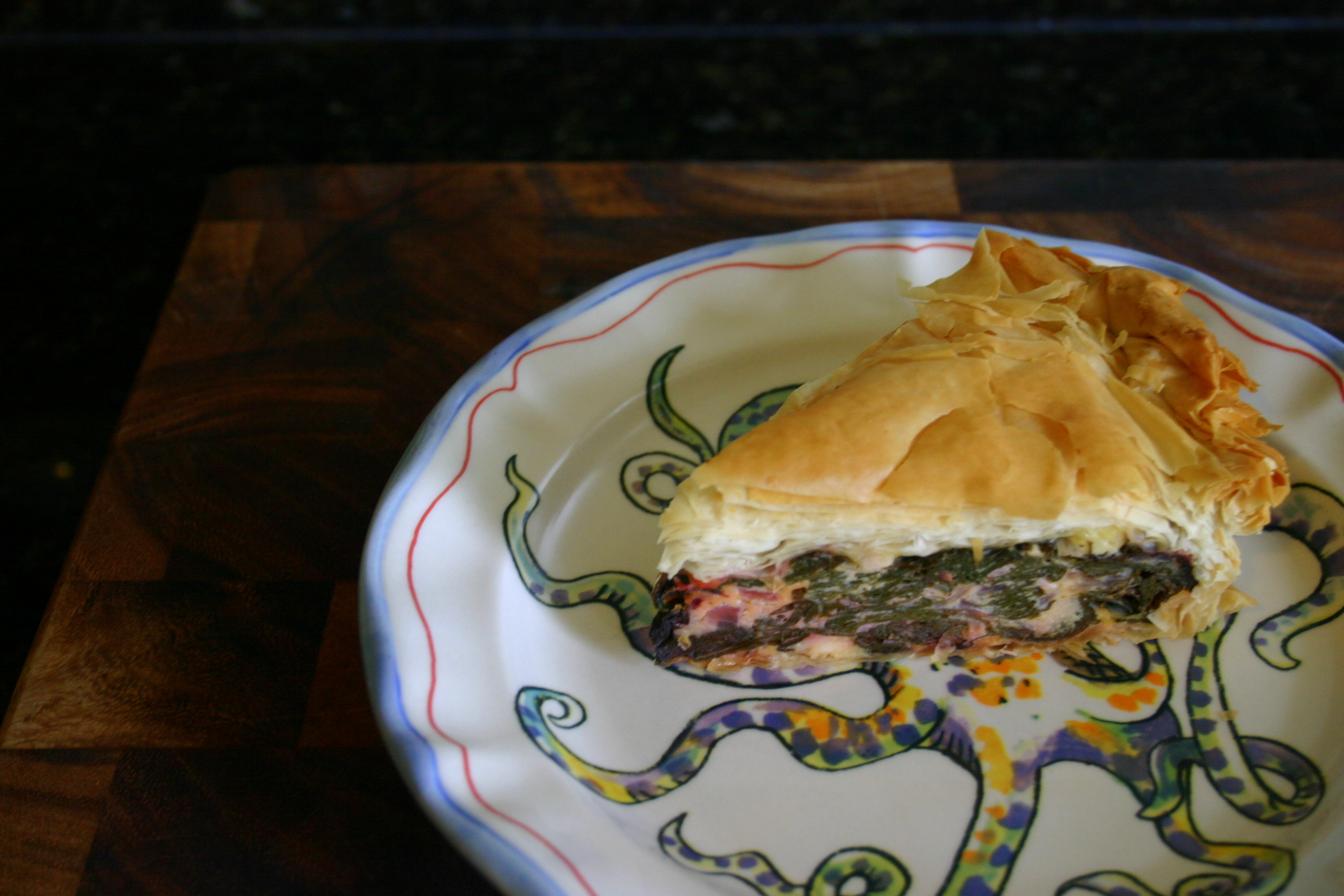
This recipe was originally printed in New York Times in 2008, and I have been making it ever since. It’s absolutely perfect on a chilly evening as a filling side dish, or even a main course. The flavor profile is similar to spanakopita, but in pie form–swapping the spinach for swiss chard. The chard has more of an assertive flavor, which I actually prefer because it is not overpowered by the feta. When friends ask me for a healthy recipe that actually tastes good, I always recommend swiss chard pie.

The process of compiling the pie is a little laborious, mainly because of the phyllo dough. To make things easier, I like to blanch the swiss chard a couple days ahead of time so the pie is ready to be assembled when needed . You can also assemble the pie and keep it in the fridge for several hours. Just pop it in the oven when you are ready. The leftovers can be reheated in the oven at about 300F to re-crisp the phyllo.

I love eating this dish warm with a side of cool yogurt dill sauce. The sauce is simply a mixture of Greek yogurt, garlic, lemon juice, salt, pepper, cayenne pepper, and dill. The ratio of flavors can easily be adjusted to match your tastes.

Swiss Chard Pie 
Adapted from New York Times
Yield: 6 servings

  • 2 to 2 1/2 pounds Swiss chard, stemmed and washed thoroughly
  • 2 tablespoons extra virgin olive oil
  • 1/2 large onion, diced
  • 2 large garlic cloves, minced
  • 1/4 cup chopped fresh herbs, preferably a combination of dill and parsley, or 1 teaspoon each dried thyme and oregano
  • 3 large eggs, beaten
  • 5 ounces feta cheese, crumbled
  • Salt and pepper
  • 12 sheets phyllo pastry plus 1/4 cup extra-virgin olive oil for brushing
  1. Bring a large pot of generously salted water to a boil while you stem and wash the greens. Wash the chard in cool water and gently tear the dark green leaves away from the stems using your hands. Discard or compost the stems. Fill a bowl with ice water. When the water comes to a boil, add the chard and blanch for 1 minute. Using a slotted spoon or a skimmer, transfer to the ice water to stop the cooking. Blanching and icing the chard will help preserve its green color. Once the chard has cooled, drain and squeeze out the excess water. Chop coarsely and set aside.
  2. Preheat the oven to 375ºF. Oil or butter a 10-inch cake pan. Heat the olive oil in a large skillet over medium heat and add the onions. Cook, stirring often, until tender but not browned, about 5 minutes. Add the garlic and cook, stirring, for another 30 seconds to a minute, until the garlic is fragrant. Stir in the chard, herbs, and 1/2 teaspoon salt, and stir the mixture for a minute, until the greens are coated with oil. Remove from the heat.
  3. In a large bowl, crumble feta using your fingers. Stir in the chard mixture and season to taste with salt and pepper. Add the beaten eggs to the mixture and stir to incorporate.
  4. Line the pie dish with 7 pieces of phyllo, lightly brushing each piece with oil and turning the dish after each addition so that the edges of the phyllo drape evenly over the pan. Fill with the greens mixture. Fold the draped edges in over the filling, lightly brushing the folded in sheets of phyllo, then layer the remaining 5 pieces on top, brushing each piece with olive oil. Stuff the edges into the sides of the pan. Brush the top with olive oil, and make a few slashes so that steam can escape as the pie bakes.
  5. Bake 40 to 50 minutes in the preheated oven, until the crust is golden.

Yogurt Dill Sauce 

  • 1/2 cup plain greek yogurt
  • 1 tablespoon lemon juice
  • 1 tablespoon fresh dill, chopped finely
  • 1/2 clove of garlic grated finely with a zester or mashed into a paste
  • Salt and pepper
  • Pinch of cayenne pepper (optional)
  1. In a small bowl, mix yogurt with dill, lemon, and garlic. Garlic varies in potency, so you may want to add the garlic little by little, tasting as you go.
  2. Season with salt and pepper to taste and stir. Add cayenne pepper if desired. The flavors will meld and  intensify the longer it sits.

24 Hours in Vancouver

Every now and then, Jeff and I will take a quick, spontaneous road trip somewhere. We don’t go with any real agenda. Generally, we’re just in pursuit of some relaxation and good food. This time we decided to head up north for an overnight trip to Vancouver, dog in tow. We visited the city’s beautiful parks and window shopped a bit. But mostly, we ate. Armed with word of mouth recommendations, a couple Yelp leads, and intuition, we found some truly amazing food. What’s your favorite place to eat in Vancouver?

1. Cafe Medina

I will preface by saying that I am not wild about American brunch food. Most of the time it’s simply too heavy and bland. You will never find me (willingly) waiting in line in the cold for pancakes and waffles. That being said, Cafe Medina is the complete opposite of any typical American breakfast establishment that I am used to. Cafe Medina is known for their Belgian waffles with a variety of creative toppings such as fig orange marmalade and white chocolate pistachio rosewater. The waffles are very small, but packed with flavor. But the highlight of the meal was my lavender latte, which was made with house made syrup. Well worth the wait!

2. Alibi Room

There are not many small breweries located in Vancouver proper, but that doesn’t really matter when you have the Alibi Room. This is a place for beer lovers (aka my boyfriend). The drink list is overwhelmingly long, with an emphasis on local breweries. While the focus is on beer, the establishment is far from dive-y. The space is very modern and inviting, and the kitchen offers a full range of locally-sourced food.

3. Tojo’s

No trip to Vancouver would be complete without a visit to Tojo’s. As always, the food was delicious, including this tuna “sushi”, deep fried and topped with pickled plum sauce and shiso leaves. Jeff and I both noticed that the restaurant was starting to look a little dated, but the food was still delicious nonetheless.

4. La Belle Patate

If I were a hungover Canadian, my first stop would be La Belle Patate. La Belle Patate is known for their smoked meat, so naturally I gravitated toward the smoked meat poutine. The cheese curds were huge and the gravy was delicious. I don’t recommend this for a well balanced meal, but it makes a great snack to share with a bottle of beer.

5. Dirty Apron

Upon entering Dirty Apron, I immediately had an urge to move to Vancouver and become a Canadian. This place encapsulates everything that I love. It’s a cooking school, specialty food store, deli, and bakery all rolled into one. Dirty Apron is small, but absolutely charming with its exposed brick and old converted warehouse feel. The owners of Cafe Medina also own Dirty Apron, which may explain why I love it so much. Don’t miss the cheesecake pistachio brownie if it’s available.

Homemade Celery Salt

I have a love hate relationship with celery. Those stringy fibers that get stuck between your teeth and its ubiquitous accompaniment with ranch dressing and flavorless vegetables hardly helps its cause. As a standalone vegetable, it’s about as useless to the culinary world as a Jersey Shore cast member is to society.

But something miraculous happens when you incorporate that mellow, earthy vegetable with other flavors. It brightens the dish and deepens the complexity of the flavors. Suddenly, nothing turns into something. Snookie by herself, much like celery, is nothing to write home about. But combine Snooks+The Situation+Vin+Ron+Sammy Sweetheart+J-Wow+heavy editing, and BAM you’ve got yourself a cash cow. Just like that.

This is the reason I love celery salt so much–it adds another dimension of flavor to a variety of dishes with little effort. When saw Heidi’s post for homemade celery salt on her blog 101 Cookbooks, I had to give it a try.

Heidi’s recipe cleverly uses celery leaves dehydrated in the oven and crumbled. Unlike traditional store-bought celery salt which is made with ground celery seeds and fine grain salt, this is more of a finishing salt, with a delicate, flakey texture.

Salt with a light, flakey consistency will work best for this recipe. Heidi used Maldon. I only had Diamond on hand, but it worked just fine. Choose the freshest looking celery with vibrant and sturdy leaves. Some grocery stores will cut off the leaves, so you may need to make a trip to the farmers market or organic grocery store. Sprinkle the salt over eggs, soups, pastas, essentially anything! It’s so versatile and useful in the kitchen. And unlike the cast of Jersey Shore, celery salt will always remain relevant.

Homemade Celery Salt
From 101 Cookbooks

  •  Leaves from one bunch of celery
  • Flakey salt such as Maldon or Diamond
  1. Preheat oven to 350F. Pick the leaves off of the celery stems, discarding any limp or unhealthy looking ones. Save the stems for another purpose.
  2. Rinse the leaves in a strainer under cold water and dry them as best you can. You can do this by shaking the leaves or placing them in a salad spinner. The leaves need to be as dry as possible to dehydrate in the oven properly.
  3. Arrange the leaves in a single layer on a baking sheet and bake for 5-10 minutes. Keep a very close eye on the leaves while they are baking. The leaves are done when they are dehydrated and crispy, but not browned.
  4. Remove from oven and set aside. As the leaves cool, they will crisp up even more. When they are completely cooled to the touch, crumble the leaves between your fingers to reach your desired consistency. Discard any of the tough spines of the leaves that will not crumble.
  5. You will want a shoot for a 1:1 salt to celery ratio. Determine your measurements by using a kitchen scale or just eyeball it.